The Leading Reasons Why People Are Successful In The Gas Safety Inspection Milton Keynes Industry


Why Landlords Should Get a Gas Safety Inspection
Gas Safe engineers are required to examine flues and gas appliances in the rental property of the landlord. This is a vital step to prevent explosions and carbon monoxide poisoning.
It is a good idea to inform tenants in advance of the inspection so that they are aware of what to expect and prepare accordingly. This certificate may seem like an expense, but it's a worthwhile investment to ensure the security of your tenants.
Visual Inspection
Visual inspection is a standard method of inspecting structures and objects. It involves looking at the object to assess the way it functions, examining for signs of malfunctions or signs of trouble and then taking action to fix any issues that are discovered. It is a technique of nondestructive (NDT) which requires an individual to have the necessary qualifications and experience. People who want to become certified in visual inspection have to go through a rigorous procedure, which includes classroom training and hands-on practical experience.
This type of inspection is an essential part of any safety program and can help ensure that equipment meets the standards of the industry and regulations. Inspections using visuals can help to reduce the number of defects and improve the overall quality of the product. They also provide important safety information, like warnings about potential hazards and ways to handle them.
The first step in the visual inspection process is to create an inspection procedure. This should include a thorough description of the inspection procedures, guidelines for recording and logging observations and findings, as well as access to any special tools or software that are helpful in the process. It is important to train your inspection team. The more comfortable the team is with the inspection process the more efficient.
It is difficult to design an inspection procedure that is visual because many aspects are subjective and hard to put into an organized checklist. However, it is possible to standardize the process to some extent by following a few simple steps. This will ensure that your inspectors are performing the same inspections every time and that results are uniform.
Gas safety inspections are checks that examine the condition of your gas appliances in your home or business including pipes, flues, and installations for leaks, damage and installation issues. The inspection is concluded with a certificate stating that the gas appliances on your home are safe to use and conform with the regulations. Gas inspections are required and failure to perform them could result in heavy fines or invalidation of your insurance policy.
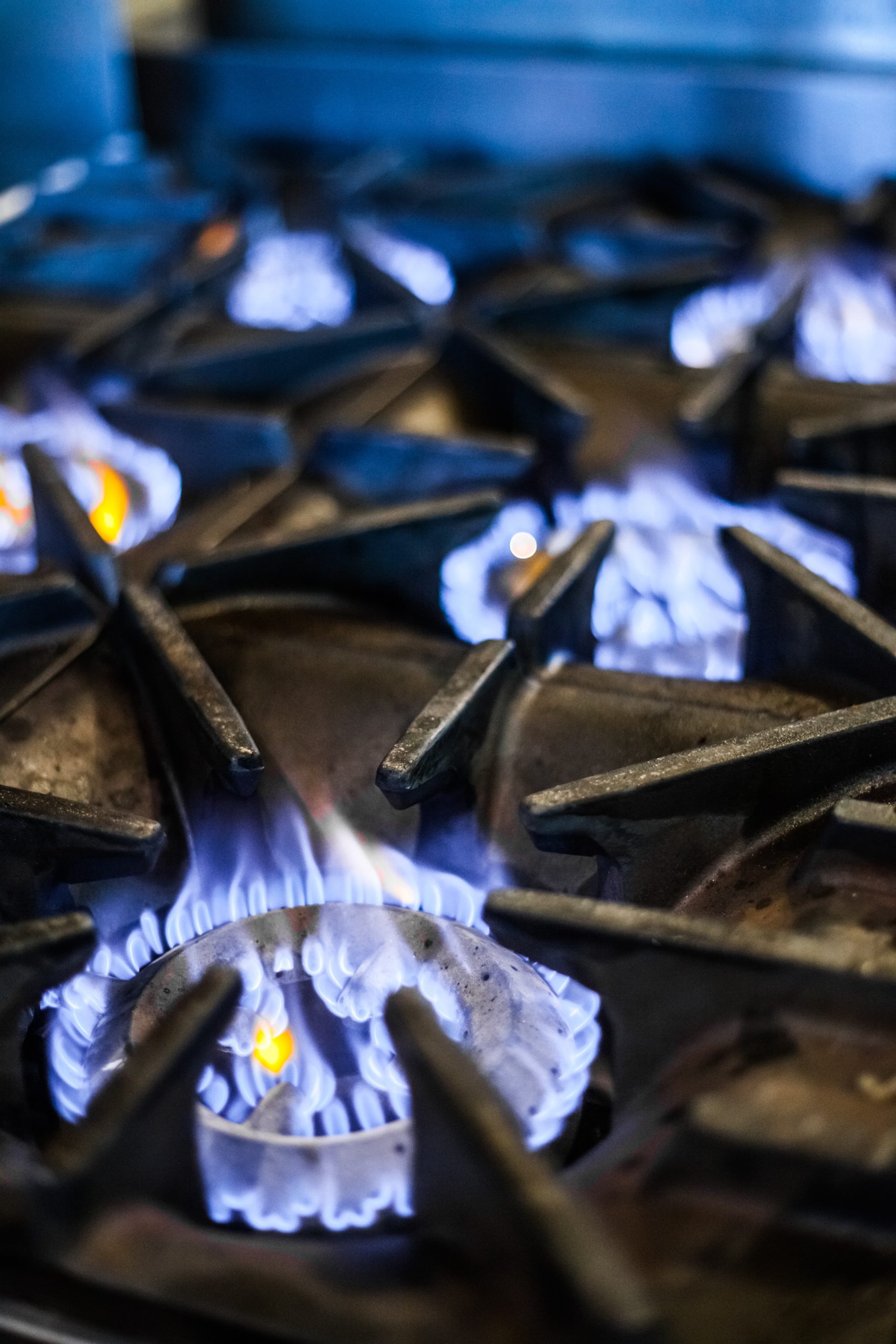
Gas appliances must be inspected every year by Gas Safe engineers to ensure they are safe to use. This will help you avoid the risk of gas incidents that can be deadly.
Pressure & Flow Test
In this stage, the engineer will test the flow and pressure of all gas appliances. The engineer will also inspect the flues and chimneys to ensure that they are operating properly. This is a crucial step to avoid carbon monoxide poisoning and other serious accidents resulting from unsafe appliances.
The engineer will make use of an instrument designed specifically to look for any signs of leakage. If they find any the leakage, they will repair it immediately to avoid further damage. Then, they'll turn on the appliance and check to make sure it's working properly. If the engineer discovers any issues, they will notify you to advise you on the best way to proceed.
Landlords must have all of their gas appliances tested and a CP12 landlord certificate issued every year. This is to safeguard their tenants from the dangers posed by defective gas appliances and installations. Landlords are required to give copies of the CP12 to their current tenants within 28 days and to give new tenants a copy before they begin renting the property. The CP12 includes the name and registration number of the Gas Safe registered engineer, and the date of the inspection and address of the property.
Before the engineer arrives, it's crucial to remove any obstructions and clear areas around gas appliances so they can easily access them. It is also a good idea to keep any relevant documents, such as previous gas safety inspections available. It is also an excellent idea to keep pets and children out from the work area to ensure their safety.
While a gas safety inspection might seem like a hassle, it is essential for the health and wellbeing of your family. You can avoid explosions, fires, and carbon monoxide poisoning by ensuring that your gas appliances are safe. Additionally the gas safety check can help you save money on energy bills by identifying any issues that may be causing your appliances to work inefficiently. Getting regular gas safety checks is easy and affordable, which makes it a worthwhile investment in your family's safety which is well worth the price.
Ventilation Test
A gas safety inspection is an essential measure to ensure that a house is safe for the occupants. It makes sure that all appliances are functioning properly and that occupants do not risk carbon monoxide poisoning. This deadly gas can be created by malfunctioning appliances or appliances that are not properly ventilated. gas safety check milton keynes mkgassafety assists landlords in avoiding costly repairs.
A CP12 certificate contains important information that confirms the safety of all gas appliances fittings, flues, and fittings in a property. It includes the name and registration number of the person who conducted the inspection and the list of appliances that were inspected. The report also includes results of the tests conducted on each appliance, as well as any remedial actions that might be required.
The process of obtaining the CP12 gas safety certificate is fairly simple and can be completed in only several hours. To avoid delays, it is best to prepare for the exam by preparing all necessary documents that includes gas records as well as warranty information, along with user instructions. Make sure that all flues and gas appliances are easily accessible for inspection.
The Gas Safe registered engineer will first examine every gas appliance visually. This includes checking the condition of all fittings and lines as well as checking for any signs of damage or leakage and examining the appliance for functioning. In addition the engineer will test the pressure and flow of each gas appliance. This will tell whether the appliances are receiving enough gas, and if repairs are needed.
The engineer will then conduct a ventilation check after the visual inspection. Smoke pencils and tracer gas are used to see airflow patterns, and identify areas that require repair or improvement. These tests can be very useful in detecting hidden leaks that cannot be identified through visual inspection by itself.
In the final stage, the engineer will use the gas leak detector to identify any sources of carbon monoxide in the property. The engineer will make the necessary changes to fix the leak and ensure the security of the residents.
Fault Finding
As a landlord as a landlord, you are legally obliged to have gas appliances in your non-domestic home examined. A gas safety test can be done by a qualified engineer to ensure that all the appliances and flues are operating in good condition and that they are not a danger of poisoning by carbon monoxide to your tenants. These tests can also help prolong the life of your gas appliances by making sure that they are always in good working order.
The engineer who is inspecting your property uses a special device to inspect the connections and valves of all gas appliances. They will examine for loose joints, faulty valves, or damaged or corroded pipes that can be potential causes of carbon monoxide leakage. If there is any fault with a particular gas appliance or pipework the engineer will recommend repairs and issue an CP12 certificate.
A CP12 certificate is a legal document that indicates that the gas appliances located in your home have passed gas safety inspections and are safe to use. The certificate will be handed to you by the gas engineer following the inspection. The document should be stored in a secure place, and the authorized person should have access to it at all times.
During the gas safety inspection, the engineer will classify each appliance into a different category according to its current operating status. Appliances that have one or more serious flaws are classified as ID (Immediately Dangerous), and should not be operated. The person who inspects the appliance will shut off the appliance with the permission of the landlord.
A malfunctioning gas appliance could cause deadly carbon monoxide leaks. This deadly gas is produced by incomplete burning of gas. It has no odor and is colorless, and cannot be recognized. Carbon monoxide is believed to have killed a lot of people because of its undetected presence in a home. It can be prevented by regular maintenance of gas appliances and regularly conducting gas safety inspections. During the inspection, the engineer will look for signs of headaches and dizziness, which are signs of carbon monoxide poisoning.